5 Surprising Foods in Your Kitchen That Could Kill Your Dog
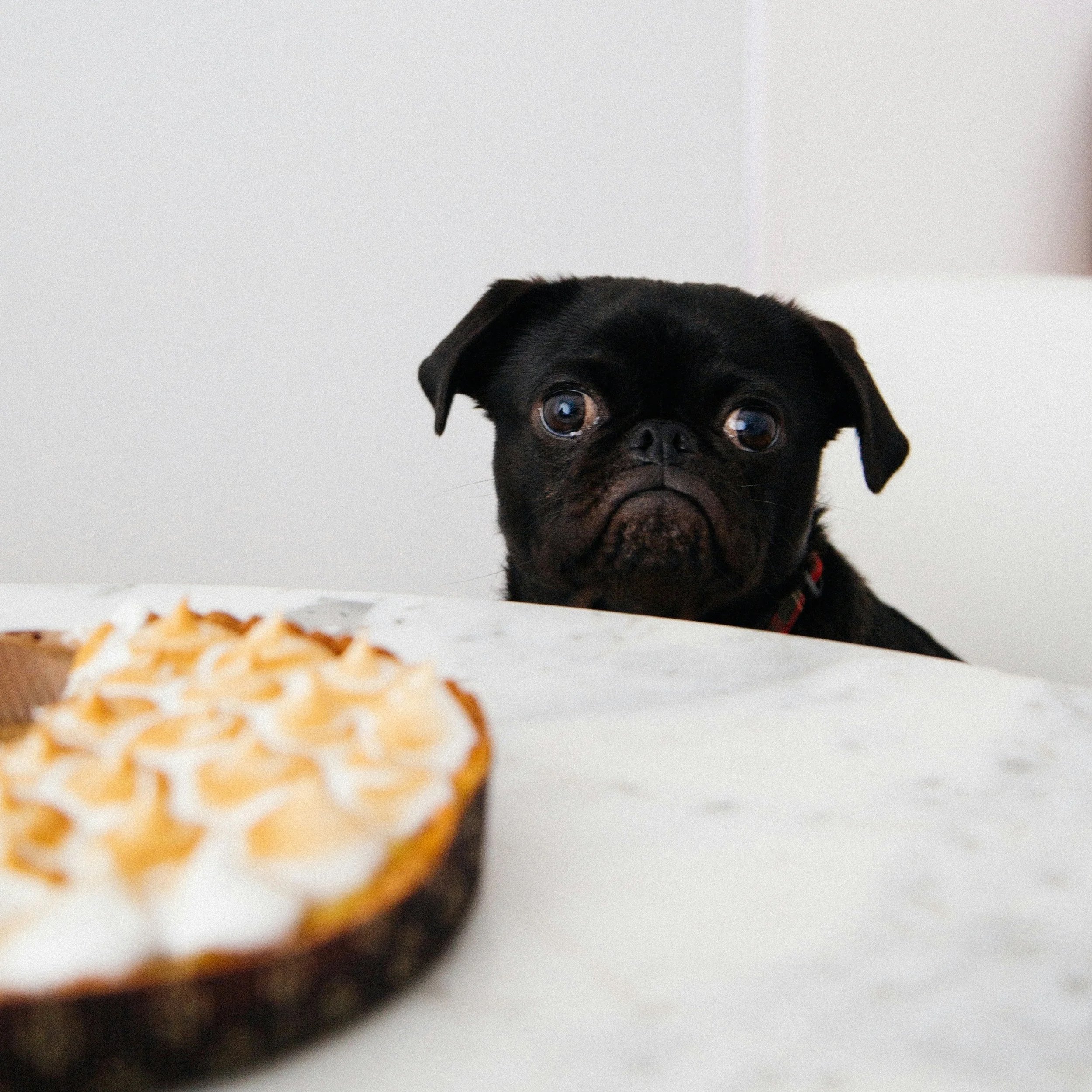
These aren’t the usual suspects. Most dog owners have no idea these are dangerous.
We all know chocolate and grapes are bad for dogs. But some of the most dangerous foods hiding in your kitchen are ones you’d never suspect. These five items are commonly found in most households, and they can cause serious harm — or even be fatal — to your dog.
1. Xylitol (Birch Sugar)
This one is hiding in plain sight. Xylitol is an artificial sweetener found in sugar-free gum, certain peanut butters, sugar-free candy, mints, toothpaste, and even some baked goods. For humans, it’s a harmless sugar substitute. For dogs, it’s extremely dangerous.
When a dog ingests xylitol, it triggers a massive release of insulin, causing blood sugar to plummet dangerously low. This can happen within 15–30 minutes. In more serious cases, xylitol can cause liver failure, seizures, and death.
⚠️ Always check the ingredient label on peanut butter before giving any to your dog. Look for "xylitol" or "birch sugar" in the ingredients. Many popular brands are safe, but some sugar-free versions are not.
Symptoms to watch for: Vomiting, lethargy, loss of coordination, seizures, and collapse.
What to do: Contact your vet or the ASPCA Animal Poison Control Center (888-426-4435) immediately. Time is critical.
2. Raw Yeast Dough
If you bake bread at home, this one is important. Raw yeast dough that hasn’t been baked yet is surprisingly dangerous for dogs. There are actually two reasons it’s harmful.
First, the dough continues to rise inside your dog’s warm stomach, expanding and causing severe bloating and pain. In extreme cases, this can lead to a condition called gastric dilatation-volvulus (GDV), commonly known as bloat, where the stomach twists on itself. GDV is a life-threatening emergency that requires immediate surgery.
Second, as the yeast ferments, it produces ethanol — actual alcohol. This means your dog can develop alcohol poisoning from eating raw dough, even without consuming any alcoholic beverages.
Symptoms to watch for: Distended abdomen, unproductive retching, restlessness, weakness, disorientation, and in severe cases, collapse.
What to do: If your dog eats raw dough, get to an emergency vet immediately. Don’t wait for symptoms.
3. Nutmeg
This common baking spice sits in almost every spice cabinet, and most people have no idea it’s toxic to dogs. Nutmeg contains a compound called myristicin, which can cause serious neurological problems in dogs.
While a tiny sprinkle probably won’t cause a crisis, even moderate amounts can lead to hallucinations, disorientation, increased heart rate, high blood pressure, abdominal pain, and severe vomiting. The effects are most dangerous in small dogs, where even a small dose relative to their body weight can cause significant harm.
The biggest risk comes during the holidays, when nutmeg shows up in pumpkin pie, eggnog, cookies, and seasonal baked goods. A dog that gets into leftover holiday treats could be in real trouble.
⚠️ Keep baked goods and spice containers out of your dog’s reach, especially during the holiday season. Dogs are notorious counter surfers.
Symptoms to watch for: Vomiting, tremors, disorientation, high heart rate, and in severe cases, seizures.
4. Green Tomatoes (and Tomato Plants)
Here’s one for anyone with a backyard garden. While fully ripe red tomatoes are generally safe for dogs in small amounts, the green parts of the tomato plant are a different story.
Unripe green tomatoes, stems, and leaves contain a compound called solanine (also found in the nightshade family of plants). Solanine is toxic to dogs and can cause gastrointestinal distress, lethargy, weakness, and confusion. The concentration is highest in the stems, leaves, and unripe fruit.
If you grow tomatoes at home, make sure your dog can’t access the garden or chew on fallen plant material. Even curious nibbling on leaves can cause problems.
Symptoms to watch for: Drooling, upset stomach, diarrhea, lethargy, and weakness.
What to do: If your dog eats a large amount of green tomato or plant material, call your vet for guidance.
5. Cherries
Cherries seem like an innocent, healthy snack, but they’re actually quite dangerous for dogs. The pits, stems, and leaves of cherries contain cyanide compounds. When a dog chews and swallows cherry pits, the cyanide is released during digestion.
A single cherry pit probably won’t cause a crisis in a large dog, but even a few pits can be dangerous for smaller breeds. Beyond the cyanide risk, cherry pits can also cause intestinal blockages, which may require surgery to resolve.
The fleshy part of the cherry (without the pit) is technically safe, but with so many risks involved, it’s better to skip cherries entirely and offer your dog a safer fruit like blueberries or watermelon (seedless, no rind).
⚠️ If you have a cherry tree in your yard, keep fallen cherries cleaned up. Dogs will eat them off the ground without hesitation.
Symptoms to watch for: Difficulty breathing, bright red gums, dilated pupils, and in severe cases, shock.
What to Do in an Emergency
If you suspect your dog has eaten any of these foods, don’t wait for symptoms to appear. Time is critical with most poisoning cases. Here’s what to do:
1. Stay calm and assess the situation. Try to figure out what your dog ate and how much.
2. Call your vet immediately or contact the ASPCA Animal Poison Control Center at 888-426-4435 (a consultation fee may apply).
3. Don’t induce vomiting unless specifically instructed by a veterinary professional. Some substances cause more damage coming back up.
4. Keep the packaging or a sample of what your dog ate so you can show the vet.
The faster you act, the better the outcome. Many poisoning cases are fully treatable when caught early.
Prevention Is the Best Medicine
The best way to protect your dog is to be aware of what’s in your home and keep dangerous items out of reach. Store baking supplies, spices, and sugar-free products in closed cabinets. Check ingredient labels on anything you share with your dog. And if you have a garden, make sure your dog can’t access potentially toxic plants.
Keeping an organized record of your pet’s health history, allergies, and emergency contacts can also save precious time in a crisis.
Keep Your Pet’s Health Organized
FurePET is the digital health passport for modern pets. Track vaccines, medications, vet visits, emergency contacts, and more — all in one app. Coming soon.